Source Waterproof Realistic Temporary Tattoo for Events, Parties, and Promotions
Find 30 options for waterproof realistic temporary tattoo designs suitable for promotional gifts, souvenirs, and decorative use. Compare customization features, film types, and durability claims across suppliers to select the best fit for your brand.
Key considerations
Products List


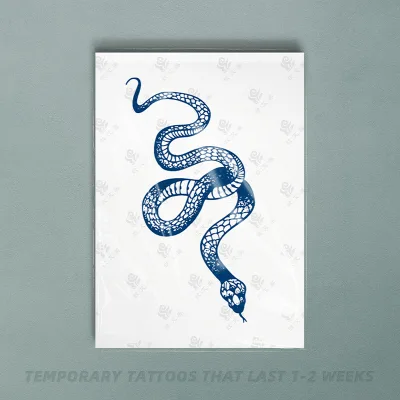
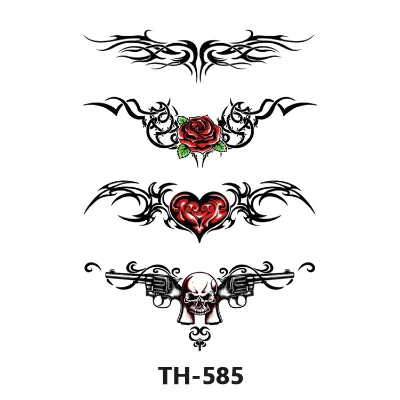
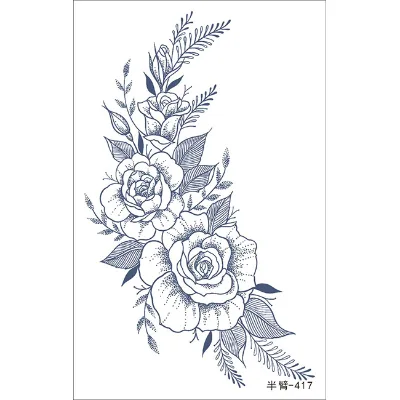
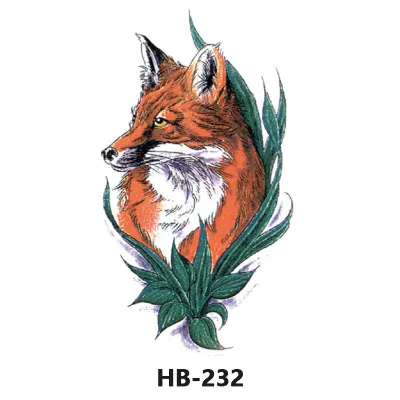


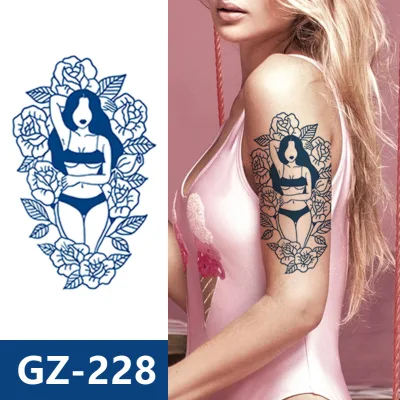
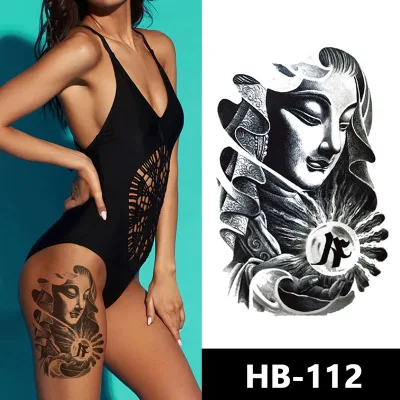
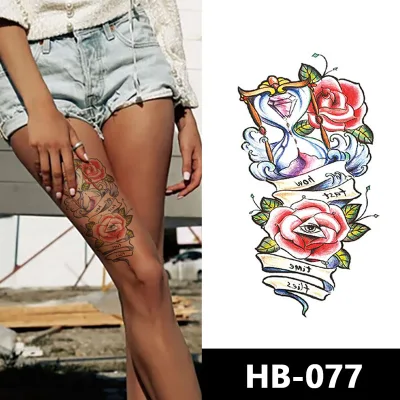
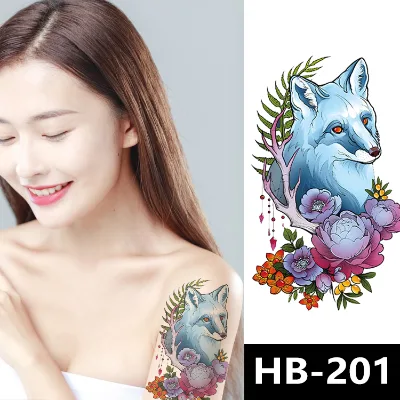
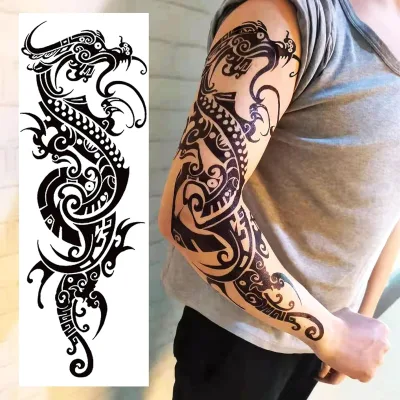
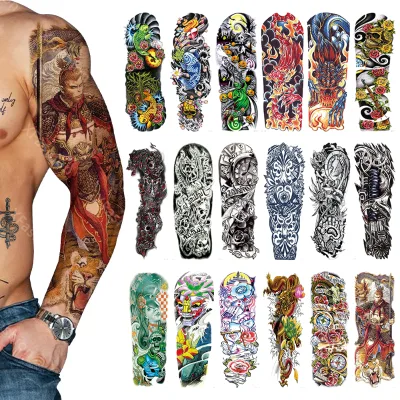


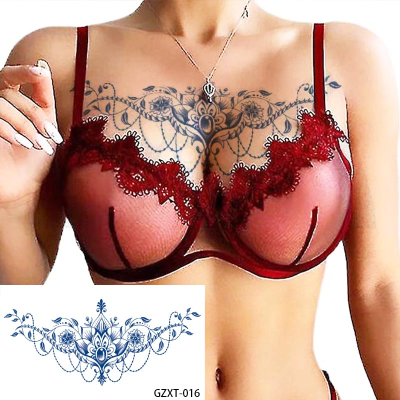
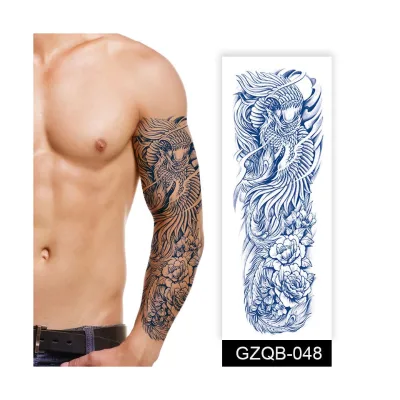


Comprehensive Sourcing Guide
Waterproof Realistic Temporary Tattoo Sourcing Guide
Sourcing waterproof realistic temporary tattoos requires a nuanced understanding of the distinction between traditional water-transfer decals and modern, high-fidelity skin art. These products are primarily designed for promotional gifts, souvenirs, and decorative use, offering a temporary aesthetic solution that appeals to diverse demographics. Buyers must recognize that while the term "realistic" often implies a photorealistic finish, the underlying technology relies on specific printing methods and film types to achieve durability and visual clarity. The market offers a wide array of designs, ranging from cartoon characters to intricate patterns, all unified by their temporary nature and ease of application.
The procurement process for these items involves balancing aesthetic appeal with functional performance, particularly regarding water resistance and skin safety. Suppliers typically offer extensive customization options, including OEM and ODM services, allowing brands to create unique designs that align with their marketing campaigns or retail offerings. Understanding the material composition, such as the use of PET or OPP films, is critical for ensuring the final product meets both quality expectations and regulatory requirements in target markets. This guide provides a structured approach to evaluating suppliers, verifying technical specifications, and ensuring compliance with international safety standards.
Product Scope and Observed Listing Signals
The current market landscape for temporary tattoos is characterized by a high volume of listings, with observed product counts indicating a robust supply chain. Prices for these items can vary significantly, ranging from very low-cost promotional units to higher-priced custom designs, reflecting differences in material quality, printing complexity, and order volume. The minimum order quantities (MOQ) also show considerable flexibility, starting from single pieces for sampling or small batches up to thousands of units for large-scale distribution. This variability allows buyers to scale their procurement strategies based on immediate needs, whether for event giveaways or long-term retail inventory.
Key listing signals indicate that most suppliers provide free samples, which is a crucial step in verifying the "realistic" quality and waterproof claims before committing to bulk orders. The products are often described as having a transparent film base, either PET or OPP, which contributes to their seamless appearance on the skin. Additionally, the availability of over 10,000 different designs in stock suggests that buyers can find pre-existing templates that closely match their requirements, reducing lead times associated with custom artwork creation. These signals collectively point to a mature market where customization and speed are key competitive advantages.
Technical Specifications to Verify
When evaluating technical specifications, the base material and film type are primary determinants of product quality. Suppliers may offer tattoos on PET or OPP films, each with distinct properties regarding durability, transparency, and feel. The printing method, typically CMYK or PMS, directly impacts color accuracy and vibrancy, which are essential for achieving a realistic look. Buyers should verify the specific dimensions of the tattoos, as sizes can range from small decorative pieces to larger, more detailed designs, with some suppliers offering fully customized sizing to meet specific branding or aesthetic needs.
Durability and application method are also critical technical factors. The majority of these products utilize a water-transfer tattoo mechanism, which involves applying the design to the skin using water to release the ink from the backing film. The longevity of the tattoo on the skin can vary, with some products claiming up to 15 days of wear, while others may last only 3-5 days. Buyers must clarify these expectations with suppliers to ensure the product aligns with the intended use case, whether it is for a short-term event or a longer-lasting promotional item. Additionally, the glue type and adhesive properties should be assessed to ensure easy removal without skin irritation.
Compliance and Safety Documentation
Safety is paramount when sourcing products that come into direct contact with the skin. Buyers must ensure that suppliers provide comprehensive certification documentation, including EN71, ASTM, CPSIA, and REACH compliance. These standards verify that the materials used are non-toxic and free from harmful substances such as phthalates, which are often restricted in consumer goods, especially those intended for children. The presence of certifications like ISO22716 and GMPC indicates that the manufacturing facility adheres to good manufacturing practices, further reducing the risk of contamination or quality inconsistencies.
In addition to chemical safety, buyers should verify that the products are labeled as non-toxic and eco-friendly, often utilizing plant-based formulas. This not only addresses health concerns but also aligns with growing consumer demand for sustainable and environmentally responsible products. It is essential to request test reports that specifically address phthalate content and other restricted substances, as these can vary between batches and suppliers. Ensuring that the supplier can provide up-to-date and valid certificates for each production run is a critical step in mitigating regulatory risks in international markets.
Cost Drivers and Commercial Terms
The cost of temporary tattoos is influenced by several factors, including the complexity of the design, the choice of materials, and the order quantity. Custom designs and specific color requirements, such as PMS matching, may incur additional setup fees or higher per-unit costs compared to standard CMYK printing. The MOQ is a significant driver of pricing, with lower quantities typically resulting in higher unit costs. Buyers should negotiate terms that allow for flexibility in order sizes, especially when testing new designs or entering new markets.
Commercial terms also include packaging and shipping considerations. Suppliers often offer customizable packaging options, such as individual OPP bags or bulk cartons, which can affect the overall cost and logistics. The single package size and weight are important for calculating shipping costs, particularly for international orders. Buyers should also inquire about sample policies, as free samples are commonly offered but may require the buyer to cover shipping costs. Understanding these cost drivers helps in creating a more accurate budget and avoiding unexpected expenses during the procurement process.
Supplier Qualification and Quality Control
Selecting the right supplier involves verifying their production capabilities and quality control processes. Buyers should prioritize suppliers who offer OEM and ODM services, as this indicates a higher level of customization and technical expertise. It is important to assess the supplier's ability to handle large volumes of designs and their responsiveness to custom requests. Suppliers located in key manufacturing hubs, such as Guangdong, China, often have established supply chains and experienced workforces, which can contribute to consistent quality and competitive pricing.
Quality control measures should be clearly defined and agreed upon before placing orders. This includes specifications for color accuracy, adhesion strength, and waterproof performance. Buyers should request pre-production samples to verify that the final product meets their expectations. Additionally, establishing a clear communication channel for addressing any quality issues or discrepancies is essential. Regular audits or third-party inspections may be necessary for large orders to ensure that the supplier maintains consistent quality standards throughout the production process.
Long-Term Procurement Checks
For long-term procurement, buyers should focus on building a sustainable relationship with their suppliers. This involves regular performance reviews, including assessments of delivery times, product quality, and responsiveness to issues. Maintaining a diverse supplier base can help mitigate risks associated with supply chain disruptions or quality inconsistencies. Buyers should also stay informed about changes in regulatory requirements and market trends, ensuring that their products remain compliant and relevant.
Continuous improvement in product design and material selection is another key aspect of long-term success. As consumer preferences evolve, buyers should work with suppliers to innovate and introduce new features, such as enhanced durability or eco-friendly materials. Regular feedback from end-users can provide valuable insights into product performance and areas for improvement. By maintaining a proactive approach to supplier management and product development, buyers can ensure a steady supply of high-quality temporary tattoos that meet the needs of their customers.
FAQs
How long do these temporary tattoos last on skin?
These temporary tattoos typically last between 3 to 15 days on skin depending on the specific product variant. Some designs with water transfer glue may remain visible for up to 15 days, while others might last 3 to 5 days based on application and skin type.
What materials are used to make these tattoos?
The tattoos are made from paper or PET base materials with transparent PET or OPP film types. They utilize a non-toxin, plant-based formula that is eco-friendly and safe for skin contact while ensuring durability during wear.
Can I customize the size and design of these tattoos?
Yes, customization is available for both size and design with OEM and ODM orders always welcome. Buyers can choose from standard sizes like 7.1 by 4.3 inches or request fully customized dimensions to meet specific promotional or souvenir needs.
Which certifications do these products meet for safety?
These products meet various safety standards including EN71, ASTM, CPSIA, REACH, and ISO22716. They are also certified as non-phthalate and pass 6P testing to ensure they are safe for use as promotional gifts and souvenirs.
How much is the minimum order quantity for these tattoos?
The minimum order quantity can be as low as 1 piece for sample orders or small purchases. However, bulk orders may have different MOQs up to 3000 pieces depending on the specific customization and packaging requirements chosen by the buyer.
Are these tattoos waterproof and suitable for outdoor use?
Yes, these tattoos are waterproof and designed to be durable during outdoor activities. They feature a temporary waterproof removable quality that allows them to withstand water exposure while maintaining their cartoon or decorative patterns on the skin.
What printing methods are used for the tattoo designs?
The designs are printed using CMYK or PMS printing methods to ensure vibrant multicolor results. This allows for high-quality reproduction of the more than 10,000 different tattoo designs available in stock for immediate sale.